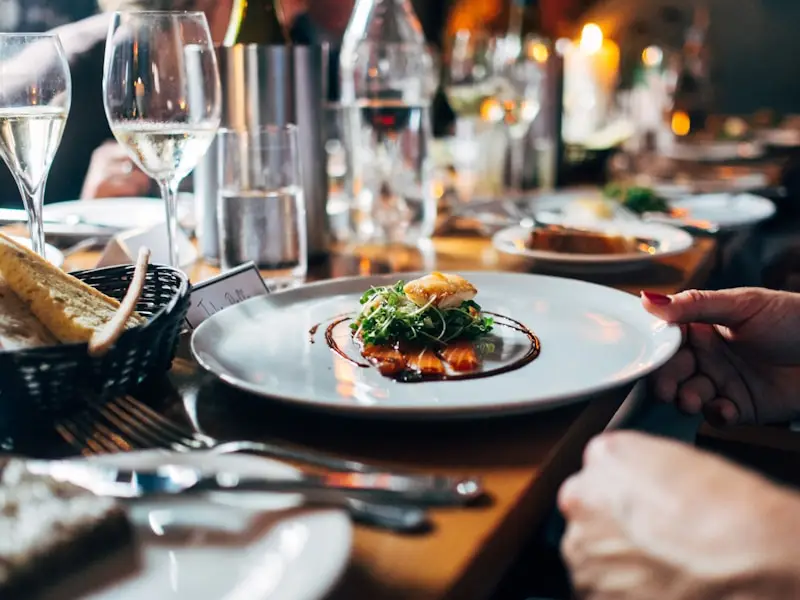
For couples who believe that a meal can be a destination in itself, these honeymoons put gastronomy at the centre of the experience.
Some couples plan honeymoons around beaches. Others prioritize adventure, culture, or simple relaxation. But for those of us whose travel planning begins with restaurant reservations, whose trip research focuses on markets and wine regions, whose happiest memories involve shared plates in unexpected places—for us, the honeymoon must be organized around food. The beaches can come afterward.
What follows is not a list of destinations with good restaurants. Every tourist city has good restaurants. This is a guide to places where food structures the entire experience, where eating becomes the primary activity, where the journey from meal to meal creates a narrative of shared discovery that will define your first weeks of marriage.
Japan: The Pinnacle of Culinary Culture
If there is a single destination that rivals Italy for food-focused honeymoons, it is Japan—though the two countries approach cuisine from almost opposite philosophies. Where Italian cooking celebrates abundance and generosity, Japanese cooking pursues perfection through restraint. Where Italian meals sprawl across hours in convivial chaos, Japanese meals unfold with ritualized precision. Both approaches, in their different ways, achieve sublimity.
Tokyo alone could consume an entire honeymoon. The city contains more Michelin stars than Paris, London, and New York combined, from the temple of sushi at Sukiyabashi Jiro to the contemporary kaiseki of Ryugin. But the real treasures often hide in basement kissaten serving impossibly thick toast with butter, in standing noodle bars where the master has perfected a single bowl over decades, in department store food halls where samples become lunch.
Kyoto offers a gentler rhythm and the refined tradition of kaiseki—multi-course meals that mirror the seasons in their ingredients, presentations, and philosophy. Book a meal at Kikunoi or Gion Sasaki, where each dish arrives as a miniature landscape, almost too beautiful to disturb. Between meals, explore the Nishiki Market, learn the tea ceremony, watch the sun set over ancient temples.
"In Japan, food is philosophy made edible—a meditation on seasonality, craftsmanship, and the beauty of impermanence."
San Sebastián: The World's Greatest Eating City
The Basque Country's seaside city has achieved something remarkable: a concentration of culinary excellence unmatched anywhere on Earth. Within its compact centro, three restaurants hold three Michelin stars each—Arzak, Martin Berasategui (nearby), and Akelarre. The pintxos bars that line the old town's narrow streets collectively represent perhaps the world's finest casual eating experience.
A honeymoon here follows a predictable rhythm: mornings on La Concha beach, one of Europe's most beautiful urban strands; afternoons exploring the old town or venturing into the hills; evenings embarking on the txikiteo—the Basque tradition of bar-hopping from pintxos spot to pintxos spot, a small plate and a glass of txakoli at each.
Book at least one destination meal at a top restaurant—Arzak for boundary-pushing innovation, Mugaritz for the full avant-garde experience, Kokotxa for more accessible creativity. But save nights for the bars: La Cuchara de San Telmo for beef cheeks, Gandarias for steak, Ganbara for mushrooms in season. The collective genius of these small establishments exceeds any single fine-dining temple.
Peru: The Rising Star
In the past decade, Lima has transformed from a city tourists endured en route to Machu Picchu into a destination that justifies the journey alone. The Peruvian capital now claims four of the World's 50 Best Restaurants, led by Central—Virgilio Martínez's exploration of Peru's extraordinary biodiversity—and Maido, where Nikkei (Japanese-Peruvian) cuisine reaches its apex.
But Lima's magic extends far beyond fine dining. The cevicherías of Miraflores serve seafood of startling freshness, the marinade of tiger's milk transforming fish into something transcendent. The huariques—humble hole-in-the-wall establishments—deliver family recipes perfected over generations. The markets overflow with ingredients found nowhere else: dozens of potato varieties, Amazonian fruits, Andean grains.
Combine Lima with a journey into Peru's interior—the Sacred Valley, Cusco, perhaps the Amazon—and you discover how geography shapes cuisine. The high-altitude cooking of the Andes, with its roasted guinea pig and quinoa preparations, differs entirely from the Amazonian traditions of the jungle or the Japanese-influenced coastal cuisine of Lima. Peru offers not one food culture but a dozen, united by a common thread of extraordinary ingredients and ancestral knowledge.
"Peru proves that culinary greatness requires not just skill but biodiversity—an ingredient vocabulary richer than anywhere else on Earth."
Thailand: Flavour Without Boundaries
For couples who prioritize intensity of flavour and adventure of experience, Thailand delivers with unmatched generosity. Thai cuisine's famous balance of sweet, sour, salty, and spicy creates dishes that explode across the palate, while the street food culture means extraordinary eating at every price point. A honeymoon here can combine beachside bliss with one of the world's most vibrant culinary traditions.
Begin in Bangkok, where the old city's street vendors have been perfecting their craft for generations. Wake early for boat noodles at Victory Monument; lunch on khao man gai at Khao Man Gai Phan Fa; dinner at Jay Fai's legendary shophouse, where the goggle-wearing chef has earned a Michelin star for her crab omelettes. Between meals, explore the Chatuchak weekend market, the temples of Rattanakosin, the rooftop bars of Silom.
Then decamp to the islands—the Andaman coast or the Gulf—where the seafood comes directly from local boats and the curries incorporate regional ingredients unavailable in the capital. Koh Lanta, Koh Samui, and Phuket all offer exceptional eating alongside tropical beauty. The rhythm of beach days and evening feasts creates a honeymoon structure that satisfies both adventure and indulgence.
Mexico: Ancient Traditions, Modern Mastery
Mexican cuisine, now recognized by UNESCO as Intangible Cultural Heritage, offers honeymooners a culinary tradition as ancient and sophisticated as any in the world. From the moles of Oaxaca—some containing dozens of ingredients, taking days to prepare—to the seafood of the coasts, from the Yucatecan traditions of cochinita pibil to the street tacos of Mexico City, the country presents endless discoveries.
Oaxaca serves as the ideal base for culinary exploration. This colonial city in the mountains of southern Mexico is the heartland of mezcal production, the home of seven famous moles, the source of quesillo cheese and tlayudas. Book a cooking class at Casa de los Sabores, visit the markets of Tlacolula and Ocotlán, join a mezcal tasting at one of the palenques where master distillers practice their ancient craft.
Mexico City adds contemporary sophistication to ancestral tradition. Pujol, consistently ranked among the world's best restaurants, reinterprets Mexican classics through an avant-garde lens. Contramar, perpetually packed, serves some of the planet's finest fish tacos. The street food of Roma Norte and Condesa rivals anything in Asia for variety and quality. Combine the capital with Oaxaca, perhaps adding beach time in Zihuatanejo or the Riviera Maya, and you have a honeymoon that educates as much as it delights.
Building Your Culinary Honeymoon
Whatever destination you choose, certain principles apply. Book your most-anticipated restaurants before booking flights—the best tables fill months in advance. Allow for flexibility; some of your best meals will be discoveries. Balance fine dining with street food; obsessing over stars misses half the pleasure. Schedule rest days; eating at this level is more tiring than it sounds.
Most importantly, approach every meal as shared experience rather than mere consumption. The act of eating together, of discovering flavours together, of developing shared opinions and inside jokes about dishes—this is what transforms a series of meals into a honeymoon narrative. Years from now, you'll remember not just the taste of that ceviche but the conversation you had over it, the light on the water, the feeling of beginning your life together one bite at a time.