Two days in London isn't enough. Three days in Amsterdam works if you're focused. Lisbon rewards five. This guide breaks down the math for each city, reveals what you actually have time for, and introduces the specific hotels that transform a rushed itinerary into something genuinely memorable.
Three days in London, Amsterdam works in three with tight focus, and Lisbon genuinely rewards four to five. That's the unvarnished answer to the pacing question most honeymoon planners misunderstand until they're already exhausted on day two. The math that guidebooks skip: arrival day costs you six functional hours (jet lag, hotel check-in, reorienting to a new city), departure day takes another six (packing, checkout, travel to airport), and what remains determines whether you experience a city or simply photograph it.
Two days anywhere guarantees you'll spend day one disoriented and day two rushing through highlight reels, leaving just as the city starts to feel familiar. Three days gives you breathing room for one proper museum morning, one neighborhood walk that isn't timed to the minute, and one restaurant reservation that doesn't feel like fuel. Four days is where cities reveal their residential rhythm, the cafés locals return to, the parks that reward slowness. Five days in Lisbon specifically transforms the experience from tourism into something closer to temporary residency.
How Many Days Do You Actually Need in Each City?
London requires three days minimum, four if your schedule allows it. The city sprawls across zones and neighborhoods, each with distinct character that takes time to navigate. Day one disappears to arrival logistics and jet lag recovery. Day two and three cover the museums, parks, and restaurant reservations you came for. Day four—if you have it—is when you stop consulting maps every ten minutes and start discovering the residential London that guidebooks miss.
Amsterdam genuinely works in three days if you stay focused on canals and museums rather than day trips to Marken or Volendam. The city center is compact enough to cycle across in 20 minutes, but textured enough that rushing through in 48 hours means missing the small moments that define the place: morning light reflecting off canal water, a random cheese shop that becomes your daily stop, afternoon coffee at a café where no one checks their phone.
Lisbon rewards four to five days because the city unfolds at a slower, more romantic pace than London or Amsterdam. The hills demand careful navigation. The neighborhoods—Alfama, Chiado, Belém—each require half-day explorations minimum. Two days leaves you with photos of the yellow tram and a vague sense of having missed something crucial. Four days lets you settle into the rhythm of late dinners and morning pastéis de nata without constantly checking your watch.
London: Three Days Minimum (Four if You Can)
Accept that day one is lost to arrival and plan accordingly. Your flight lands mid-afternoon, customs takes an hour, the journey into central London adds another, and by the time you've checked into your hotel and oriented yourself to the neighborhood, evening has arrived. Sleep. Actually sleep. Jet lag compounds over days if you fight it on day one.
Days two and three cover what you came for: the British Museum or Victoria and Albert in the morning when crowds are thinnest, a neighborhood walk through Notting Hill or South Kensington in the afternoon, dinner at a restaurant that required advance booking. Day four—if your itinerary allows it—is when London stops feeling like a checklist and starts revealing the parts locals actually experience. Residential streets in Belgravia, afternoon hours in Hyde Park watching swans, a second visit to the café that surprised you on day two.
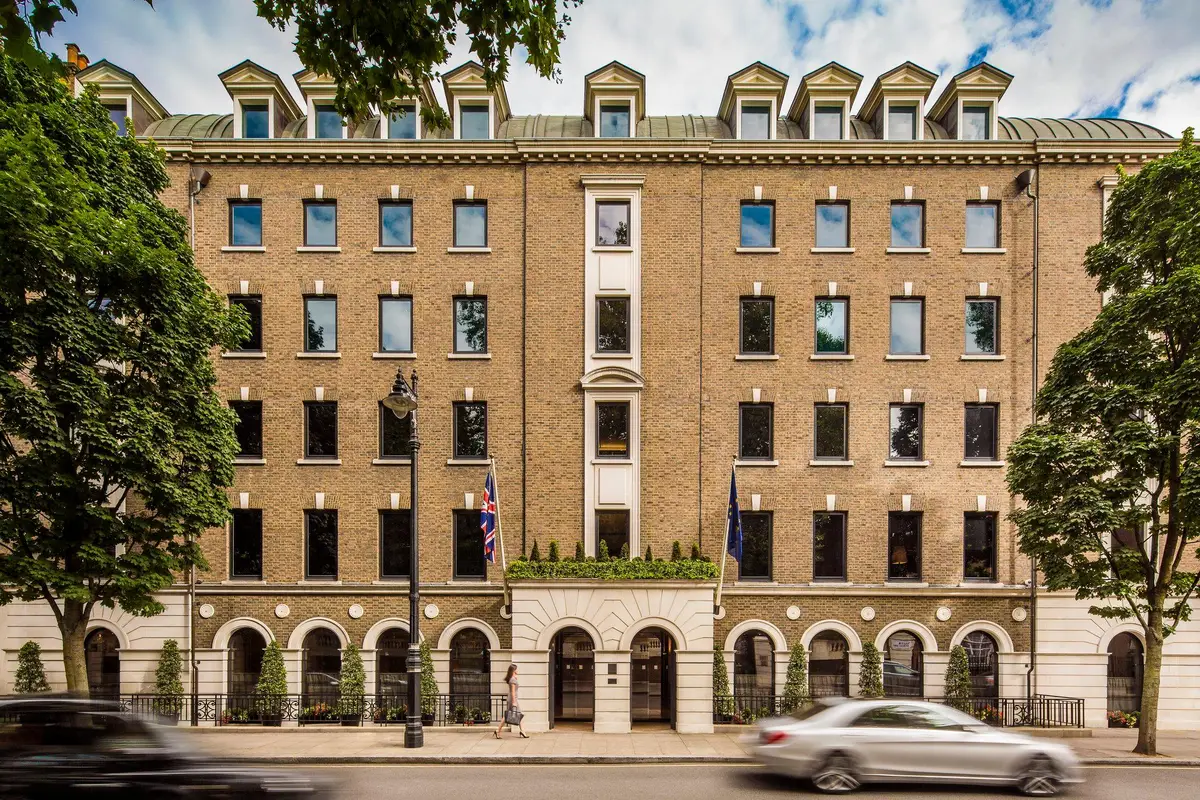
Location matters more than amenities in London because the city's size means transit time compounds over days. COMO The Halkin places you in quiet Belgravia, minutes from Hyde Park and Knightsbridge shopping, with Harrods a ten-minute walk when you need it. The hotel earned a 9.3 rating across thousands of stays, with guests consistently mentioning staff by name—Pammy, Jordan, Alana—who anticipate needs before you voice them. The spacious suites feature enormous granite-tiled bathrooms and room service breakfast that arrives beautifully presented within minutes of ordering. One couple noted the apartment-like quiet despite central location, with soundproofing so effective they never heard neighboring rooms or street noise during their entire stay.
COMO Metropolitan London in Mayfair offers an alternative for couples who prefer Hyde Park views and proximity to Green Park tube station. The property maintains an 8.9 rating with particularly high scores for location (9.7) and cleanliness (9.4). Guests report the doorman Ali greets every arrival with warmth that feels personal rather than professional, while the concierge team provides restaurant recommendations that consistently exceed expectations. Rooms overlook either Hyde Park or Mayfair's tree-lined streets, with deep soaking tubs and minimalist design that creates calm after long exploration days.
The London Itinerary That Actually Works (3-4 Days)
The three-day version: arrive afternoon, sleep properly. Day two takes you to one museum morning (British Museum for ancient history, V&A for design and fashion), afternoon neighborhood walk in Notting Hill's pastel houses or South Kensington's museum quarter, dinner at Colonel Saab Trafalgar Square where Chef Sohan Bhandari's regional Indian cuisine reaches heights guests compare to Michelin-starred venues. Day three allows morning leisure—breakfast becomes an event rather than fuel—afternoon shopping or park time, evening at Bustronome London as your departure meal.
The four-day version adds breathing room: a second neighborhood (Shoreditch for street art and coffee roasters, Covent Garden for theatre district energy), a second restaurant reservation, and actual downtime that doesn't feel like wasted opportunity. Colonel Saab's upper floor provides intimate seating where Sam's attentive service complements dishes that surprise with every course: coconut and pistachio lassi, the chef's signature confit of cauliflower with cardamom saffron sauce, rasmalai milk cake that lingers in memory hours after the meal ends.
Afternoon tea at COMO The Halkin rewires expectations of the tradition entirely. The Japanese-Asian fusion presentation replaces scones and clotted cream with precision and unexpected flavor combinations. Couples consistently book this as their first evening rather than their last, using the experience to transition from travel mode into honeymoon presence.
Bustronome transforms dinner into movement: a glass-topped bus gliding through London's illuminated streets, Franco-European courses timed perfectly to passing landmarks. Chef Ignazio Nuccio's execution—sweet potato soup with white miso, pan-seared cod with crushed baby potatoes and umami sauce, tiramisù spheres—earns the same 4.9 rating as stationary fine dining venues. The gentle motion and ever-changing views create intimacy despite the unusual format, with couples noting how the experience feels wonderfully personal rather than touristy.
Amsterdam: Three Days Works (Barely). Four Days Is Better.
Three days in Amsterdam demands focus: canals and museums only, skip the Marken and Volendam day trips. The Rijksmuseum requires a full morning. Anne Frank House needs advance tickets and two hours minimum. Canal walks reveal different character depending on neighborhood—Jordaan's narrow waterways versus the grand Herengracht mansions. Afternoon cycles along the Amstel. Evening dinners at canal-side restaurants where you're not checking your phone every five minutes because tomorrow's schedule isn't crushing you.
Four days lets you add a day trip to Zaanse Schans for windmills and cheese-making demonstrations, or Marken for fishing village atmosphere, without sacrificing the small moments that make Amsterdam memorable. The city is small enough that two days feels rushed, but textured enough that slowness rewards you with discoveries guidebooks don't mention: the flower market vendor who explains tulip varieties, the café where locals read newspapers for hours, the bridge where sunset light hits canal water at angles that stop you mid-conversation.
The difference between three and four days isn't another museum—it's the freedom to return to the café that surprised you, to cycle without destination, to let the city reveal itself rather than forcing it into a schedule.
Lisbon: Four to Five Days Transforms It from Destination to Home
Two or three days in Lisbon is travel. Four to five days is when you stop being a tourist and start feeling temporarily local. The city's hills require navigation that becomes intuitive only after repeated walks. The narrow streets in Alfama form a maze that GPS handles poorly. The café culture demands time without agenda—morning pastéis de nata at Pastéis de Belém, afternoon coffee at a tile-covered café in Chiado, evening ferry rides across the Tagus watching light change on the water.
Day one: neighborhood orientation, one uphill walk to Miradouro da Senhora do Monte for views that contextualize the city's geography, dinner somewhere walkable from your hotel. Day two: Belém and the pastéis de nata (arrive before 10am to avoid queues), Jerónimos Monastery's Manueline architecture, one museum choice between Maritime or the Tile Museum. Day three: Sintra day trip via train from Rossio station, returning by evening, or a full day wandering Alfama's maze without map-checking every corner. Days four and five: lazy breakfasts, repeat favorite restaurants, wander without agenda, take the ferry to Cacilhas for sunset views back toward Lisbon.
Martinhal Lisbon Chiado Family Suites redefines what a hotel stay feels like in the city center. Each suite unfolds as a private urban residence with separate bedroom that closes off from the living area, full kitchen already stocked with fresh fruit and milk, even in-unit laundry that lets you pack lighter for the rest of your European journey. The 9.6 rating reflects consistent excellence across all categories, with particularly high scores for location (9.8) and staff performance (9.8).
Guests report the Chiado location means everything walkable—cobbled streets lead directly to exceptional restaurants, Bairro Alto's nightlife, and the city's beloved tram 28 route. One couple mentioned how the staff helped book train tickets to Sintra, called taxis when needed, and offered restaurant recommendations that felt genuinely local rather than tourist-tested. The breakfast transforms mornings: made-to-order omelets, fresh pastéis de nata, sparkling wine, with room service option if you prefer privacy. Another honeymooning couple noted the space allowed genuine intimacy—separate bedrooms, kitchens for late-night wine and cheese, washing machines that made their week feel like residency rather than hotel rotation.
The Framework: How to Decide Your Perfect Timeline
Count actual hours, not calendar days. Subtract six hours for arrival day (travel from airport, hotel check-in, shower, initial orientation), six hours for departure day (packing, checkout, journey to airport). What remains is your real exploration time. A three-day trip gives you roughly 1.5 days of actual discovery. Four days becomes 2.5 days. Five days reaches 3.5 days.
One museum or major attraction per day maximum. Everything else becomes logistics and transit time. The British Museum requires three hours minimum if you're selective. The Rijksmuseum needs similar. Belém in Lisbon consumes a full morning including travel time. Build your schedule around these anchors, then leave everything else flexible.
Always book one truly special dinner that requires advance reservation and dressing up. This creates an event that punctuates the trip, something beyond casual meals and café stops. Colonel Saab's upper floor, Bustronome's moving dining room, or Lisbon's Belcanto if you can secure a table.
Leave one afternoon completely unscheduled in every city. This is where the best discoveries happen: the café you stumble into, the neighborhood walk that reveals architecture you wouldn't have found, the museum you didn't plan to visit but had time for because you weren't rushing to the next scheduled stop.
Bottom Line
Two days anywhere is a sprint that leaves you exhausted rather than refreshed. Three days is the honeymoon minimum, giving you one full exploration day after accounting for arrival jet lag. Four days is where most cities reveal themselves beyond guidebook highlights—London's residential neighborhoods, Amsterdam's canal-side slowness, Lisbon's café culture that demands lingering. Five days in Lisbon specifically means you'll return home feeling settled rather than rushed, having experienced the city's rhythm instead of just photographing it.
The quality of your hotel compounds with each additional day. Properties like COMO The Halkin, where staff anticipate needs and offer spontaneous upgrades, feel increasingly valuable as you settle in over three or four nights. Similarly, Martinhal's spacious suites transform five days from hotel stay into urban residency, with full kitchens and separate bedrooms creating genuine intimacy rather than just shared accommodation. Build your itinerary around one special dinner and one full unscheduled day. Everything else is negotiable based on your pace and what the cities reveal to you.