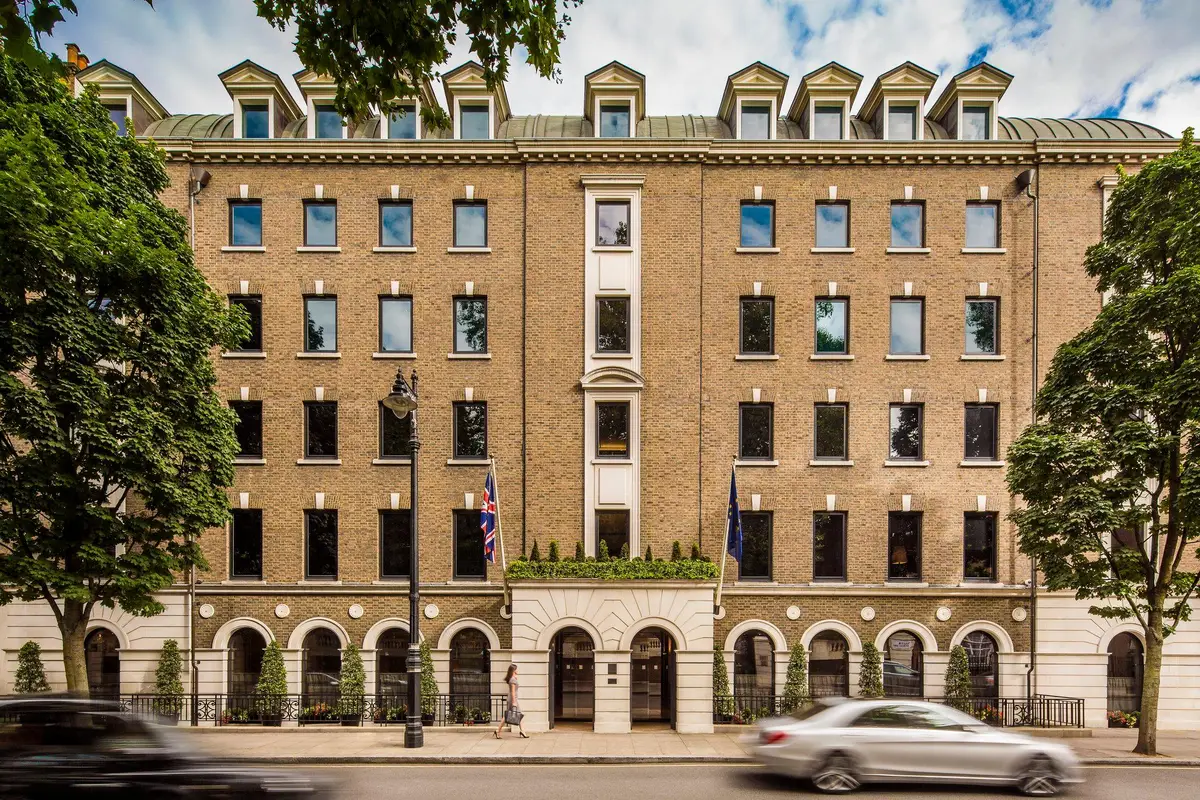
London rewards couples who know where to look. Tucked into Belgravia's quiet streets and Mayfair's leafy squares, two COMO properties offer the kind of attentive service that remembers your name before you do. From regional Indian cuisine to fire-kissed Nordic preparations, five restaurants transform milestone celebrations into evenings you'll replay for years.
London hums with a particular frequency at dusk, when office lights blink off in Mayfair and couples emerge from Hyde Park's western gates. The city's reputation as a relentless capital obscures its quieter character—the residential calm of Belgravia's white stucco crescents, the leafy squares where Mayfair melts into Green Park, the kind of attentive service that remembers your preferences before you've articulated them. Two neighborhoods, minutes apart yet distinct in temperament, offer honeymooners something the famous landmarks cannot: intimacy at scale, sophistication without performance.
This is where two COMO properties anchor an itinerary that transforms a London honeymoon from tourist spectacle into something more textured. Five restaurants—from regional Indian cuisine to fire-kissed Nordic preparations—complete the picture. What couples remember years later isn't Big Ben or the Tower Bridge selfie. It's the doorman who greets you by name on day three. The dessert you wished you could carry home. The breakfast service that arrives exactly as you like it, without having to ask twice.
Where to Stay: Belgravia's Quiet Luxury
Walk south from Hyde Park Corner and the city shifts gear. Traffic noise fades. The architecture turns residential—garden squares framed by cream-colored façades, independent shops that close for lunch. COMO The Halkin occupies a corner of this world, tucked onto a street so calm you forget you're three minutes from one of London's busiest intersections. The lobby greets you with understated proportions, none of the grand hotel theatrics you'd find elsewhere in the city.
What distinguishes this property isn't visible from the street. Spacious suites feature enormous granite-tiled bathrooms where morning routines become small rituals. Soundproofing works so effectively that guests mention it unprompted—no traffic, no neighboring rooms, just silence when you want it. The afternoon tea service offers something unexpected: Japanese-Asian fusion presentations that arrive looking like small works of art, with flavors that surprise rather than comfort. One couple described the experience as "exotic," which captures the Halkin's particular gift for delivering the familiar in unfamiliar ways.
Staff members earn mentions by name in guest reviews—Pammy, Jordan, Alana—which signals something about the quality of attention here. A honeymooning couple arrived to discover their room upgraded two levels without request. Another guest noted how the team "made our stay truly special," a phrase that could mean anything but in context meant birthday gifts waiting in the room, seamless luggage management, genuine warmth that didn't feel scripted. The hotel scored 9.6 for staff performance and 9.7 for cleanliness, numbers that matter less than what they represent: consistency in the small gestures that transform a good hotel into one couples return to for anniversaries.
Location proves quietly strategic. Knightsbridge shopping sits twelve minutes south on foot. Hyde Park's eastern edge lies three minutes north. The Halkin's baseline rate of £523 per night positions it at the accessible end of London's luxury tier, reasonable given the space and service you're buying.
Where to Stay: Mayfair's Central Serenity
Cross Hyde Park and the neighborhood changes again. Mayfair carries more weight, more history, more grand hotels competing for attention. COMO Metropolitan London stands steps from the park's southeastern corner, close enough that couples take morning runs through Green Park before breakfast. The rooms offer what guests describe as "calm in the city's busiest neighborhood"—spacious layouts with minimalist aesthetics, deep soaking tubs, windows that frame either the street below or, in preferred rooms, Hyde Park's greenery.
Two details surface repeatedly in reviews. First: Ali, the Moroccan doorman whose genuine warmth makes every return to the hotel feel like coming home. Second: reception staff who arrange thoughtful surprises without being asked. One couple discovered a birthday gift waiting in their room. Another mentioned early check-in handled gracefully, late checkout arranged without fuss. Andrea at breakfast anticipates needs—additional coffee arrives before you've finished the first cup, dietary preferences remembered from day one.
The property includes spa facilities and a swimming pool, amenities that matter more on longer stays when you want to retreat without leaving the building. Guests consistently praise the quiet despite the central location—double glazing does serious work here—and the proximity to everything couples want: Green Park for afternoon walks, Mayfair's galleries and cafés within five minutes, West End theaters reachable in fifteen. The £762 baseline rate reflects these advantages: space, location, facilities that extend what a hotel room can do.
Between the two COMO properties, a pattern emerges. Both excel at personalized service delivered without performance. Both occupy neighborhoods that balance accessibility with residential calm. Both attract couples who value understated luxury over grand gestures. Splitting a honeymoon between them—two nights Belgravia, three nights Mayfair, or vice versa—lets you experience London's quieter rhythms while staying minutes from its busiest attractions.
Where to Dine: Regional Spice and Theatrical Service
Indian restaurants in London range from corner curry houses to Michelin-starred establishments that reinterpret regional cuisine through modern techniques. Colonel Saab Trafalgar Square occupies interesting territory between those poles, delivering dishes that surprise without intimidating. Chef Sohan Bhandari directs a kitchen that treats regional Indian preparations with reverence—no fusion, no dilution—while presenting them in ways that feel contemporary.
The intimate upper floor provides the setting couples prefer. Sam, mentioned by name in multiple reviews, delivers service that balances attentiveness with discretion. Dishes arrive that rewrite what you thought you knew about Indian cuisine: coconut and pistachio lassi that tastes nothing like the mango version you've had elsewhere, confit cauliflower that makes vegetables the star rather than the supporting act, rasmalai milk cake that lingers in memory long after the meal ends. One guest compared the experience to Michelin-starred establishments, which matters less than the specific observation that followed: "genuine hospitality" alongside technical precision.
The location—central London, accessible from both COMO hotels via short tube rides—makes reservations easier than the Mayfair fine dining establishments that book out weeks in advance. Pricing sits in the moderate range for London's better restaurants, reasonable given the quality of ingredients and attention to detail that defines each course.
Where to Dine: Movement, Views, and Franco-European Refinement
Some dining concepts sound gimmicky until you experience them. Bustronome London transforms dinner into a moveable feast aboard a glass-topped bus that glides through illuminated streets. Chef Ignazio Nuccio crafts elegant set menus that showcase Franco-European finesse: sweet potato soup with white miso, pan-seared cod that arrives perfectly timed, tiramisù spheres that reinterpret the Italian classic into something portable.
Each course times to the passing scenery—Tower Bridge lit against the Thames, Westminster's architectural weight, neighborhoods you'd otherwise miss in a taxi. The gentle motion and ever-changing backdrop create something theater can't: dining that feels both intimate and exploratory. Staff navigate the bus with practiced ease, delivering attentive service despite the unconventional setting. Guests consistently praise the atmosphere, noting how the right balance of ambient noise and privacy makes conversation easy while the city scrolls past.
Two departure times—7pm and 9:30pm—let you align dinner with pre-theater plans or post-show celebrations. The six-course dinner menu includes wine pairings that complement each course thoughtfully. One couple mentioned wishing they'd booked multiple trips during their week in London, which captures the experience's particular charm: it delivers spectacle without sacrificing substance.
Where to Dine: Michelin Mastery and Technical Precision
Within Raffles London at the OWO's grandeur, Mauro Colagreco at Raffles London at the OWO balances technical precision with unexpected warmth. Chef Leonel Aguirre leads a kitchen that celebrates vegetables with reverence equal to lobster and duck. Each course arrives as small artwork—distinctive amuse-bouches begin the meal, a magical box of petit fours closes it—creating an evening where formality gives way to genuine delight.
The focus on vegetables surprises guests accustomed to fine dining that privileges protein. Scottish langoustine shares menu space with kohlrabi preparations that receive equal attention. Cornish turbot arrives with lardo di colonnata and green curry. Ex-dairy cow sirloin (a detail that signals thoughtful sourcing) comes with crispy millefeuille and seaweed. Desserts lean refreshing rather than heavy: yogurt fontainebleau with black lemon ice cream, saffron custard with orange reduction.
Guests consistently note the progression from formality to warmth as the evening unfolds. Service starts precise, almost austere, then reveals personality as courses accumulate. One reviewer described the experience as "deserving of at least one Michelin star," which matters less than the specific observation about vegetable-forward cooking in a format that typically centers meat and fish. The restaurant sits within Raffles' architectural weight, accessible from Mayfair hotels via short journeys through the city's governmental heart.
Where to Dine: Cantonese Mastery in St James's
Chef Tong Chee Hwee's kitchens have earned seven Michelin stars across his career, a detail that frames expectations before you sit down. Gouqi Restaurant brings his Cantonese refinement to St James's heart, where bright elegant interiors and a considered wine cellar support milestone celebrations. The five-course duck menu showcases his legendary Peking duck technique: course one with Oscietra caviar, course two with homemade pancake, course three as minced duck lettuce wrap. Three preparations that reveal different aspects of the bird.
Dim sum platters arrive with the kind of precision that only comes from technical mastery—black truffle har gau, octopus dumpling with tobiko caviar, prawn and scallop creations that balance texture and flavor without overwhelming either. Truffle-enhanced signatures appear throughout the menu: pan-fried silver cod with asparagus and black truffle, dishes that justify premium pricing through ingredient quality and careful preparation. Service matches the kitchen's attention to detail—attentive without hovering, graceful in timing and presentation.
One couple visited for their twentieth wedding anniversary and noted feeling "very important" to the staff, which captures how milestone celebrations receive treatment here. Another mentioned the authentic Cantonese cuisine reminded them of home, high praise given London's competitive Chinese restaurant scene. The restaurant occupies that rare space where technical excellence meets genuine warmth, where couples return for anniversaries because the food justifies the occasion.
Where to Dine: Fire, Smoke, and Nordic Theater
Niklas Ekstedt's London outpost transforms ancient Nordic cooking techniques into contemporary artistry within the handsome surrounds of Great Scotland Yard Hotel. Ekstedt at The Yard delivers a seven-course tasting menu that unfolds as masterclass in birch ember cooking, ash finishing, and delicate presentation. The open kitchen offers glimpses of flames dancing, blurring the line between dining and theater in ways that feel genuinely interactive.
Dishes cooked over fire arrive tasting of smoke without being overwhelmed by it—a technical precision that takes years to master. One reviewer mentioned glimpsing the oven fire and meeting the chef, small moments that elevate dinner into experience. Another described the dessert as "fantastic," wishing they could carry it home, which suggests something memorable enough to eclipse the preceding six courses. The restaurant balances rustic techniques with refined presentation, creating dishes that look too beautiful to eat until you taste them.
Wine pairings follow their own journey, complementing fire-kissed flavors without competing for attention. The £108 tasting menu positions Ekstedt at London's higher-end fine dining tier, justified by the theatrical elements and technical mastery that distinguish each course. Staff navigate the intimate space with practiced ease, creating an atmosphere that feels both extraordinary and genuinely welcoming.
What to Do: Neighborhoods Worth Knowing
Belgravia rewards slow walks. White stucco crescents frame garden squares where residents walk dogs at predictable hours. Independent shops close for lunch. The rhythm differs from central London's relentless pace, creating pockets of calm that feel residential despite the proximity to major thoroughfares. From COMO The Halkin, Hyde Park's southern edge sits three minutes north—morning runs through the park become possible, afternoon strolls natural rather than planned.
Mayfair balances grandeur with intimacy. Galleries occupy Georgian townhouses. Cafés spill onto pavements where you can watch the neighborhood's particular mix of residents and visitors. Green Park offers structured beauty and respite from shopping. Both neighborhoods position couples within fifteen minutes of West End theaters, Knightsbridge shopping, and riverside walks that reveal London's architectural layers.
Hyde Park and Green Park function as connective tissue between the neighborhoods, offering morning exercise routes, afternoon refuge, and sunset walks before dining. The parks' scale—350 acres and 40 acres respectively—provides genuine escape despite central location. Concierge teams at both COMO properties arrange everything from theater tickets to restaurant reservations, handling logistics that would otherwise consume planning time.
What to Do: Theatrical London and Timed Experiences
West End shows benefit from evening planning. Book dinner at 6pm, curtain at 8pm, late supper after. Bustronome London's departure times align with this rhythm—7pm for pre-show dining that doubles as sightseeing, 9:30pm for post-theater celebrations. Thames riverside walks work best in golden hour before sunset dining, when light softens the city's architectural weight and crowds thin to couples and dog walkers.
Theater tickets through hotel concierges arrive without markup, often with preferred seating that self-booking wouldn't secure. Both COMO properties excel at these arrangements, handling reservations and timing so you can focus on choosing shows rather than logistics. The concierge teams understand London's dining scene intimately—their restaurant recommendations consistently earn guest praise, proving valuable for planning evenings beyond the five establishments detailed here.
What to Do: Beyond Central London
The Cotswolds sit ninety minutes from Paddington Station—twenty minutes from both hotels—delivering medieval villages, honey-colored stone, and the kind of pastoral scenery that exists primarily in Britain. Cirencester and Bourton-on-the-Water make manageable day trips, offering lunch in market towns and afternoon walks through landscapes that look consciously designed. Return trains run hourly, making logistics straightforward.
Rye, East Sussex provides coastal light and medieval streets roughly ninety minutes by rail. Kew Gardens opens year-round, delivering structured beauty and botanical collections worth the twenty-minute journey from central London. Arrive early to avoid crowds—the gardens transform in morning light before tour groups descend. Concierge teams arrange private cars for couples preferring guided journeys over self-drive, particularly valuable for Cotswolds trips where multiple villages justify having a driver.
Planning Your Trip: Timing and Rhythm
April through May and September through October offer what London rarely provides: mild weather, reasonable crowds, blooming gardens or autumn light that transforms parks and squares. July and August see tourist numbers peak, making restaurant reservations harder and popular attractions crowded. December brings holiday markets and festive dining but shorter daylight—sunset at 4pm changes how you structure days.
Five days allows comfortable rhythm: two days exploring Belgravia and Mayfair (hotel amenities, neighborhood walks, shopping), two nights devoted to dining experiences, one day outside London. Four days compresses the itinerary but remains manageable with careful restaurant bookings. Eight days lets you add Bath, Oxford, or coastal Sussex without feeling rushed, creating the kind of honeymoon that balances city immersion with countryside respite.
Planning Your Trip: Logistics and Budget
COMO The Halkin's £523 baseline rate delivers value through space and soundproofing—the enormous bathrooms and genuine quiet justify the nightly cost for honeymoons where hotel rooms become sanctuaries. COMO Metropolitan London's £762 baseline reflects spa access, swimming pool, and Hyde Park views that add value for longer stays. Both properties include airport transfers as standard amenity.
Fine dining spans wide range. Colonel Saab sits at moderate pricing for London's better restaurants. Bustronome occupies higher-mid territory, justified by theatrical elements. Ekstedt at The Yard and Mauro Colagreco command premium pricing—£108 and higher per person—that milestone celebrations warrant. Gouqi falls between, delivering Michelin-caliber technique at pricing below starred establishments.
Five-day honeymoon budget totals approximately £3,500-5,500 including two nights at each hotel, five dinners at the featured restaurants, and local transport. Restaurant reservations should be made four to six weeks in advance for Michelin-level establishments. Fly into Gatwick or Heathrow; both hotels arrange airport transfers that eliminate arrival logistics when you're already exhausted from long-haul flights.
A Sample Five-Day Itinerary
Day one: arrive, settle into COMO The Halkin, afternoon tea service, evening walk through Belgravia's garden squares, dinner at Colonel Saab that introduces regional Indian cuisine without overwhelming jet-lagged palates. Day two: morning at Hyde Park, lunch near Knightsbridge, move to COMO Metropolitan London mid-afternoon, evening aboard Bustronome as London's streets illuminate around you.
Day three: Mayfair galleries and shopping, afternoon rest at hotel spa where deep soaking tubs and massage treatments restore energy, dinner at Gouqi Restaurant showcasing Chef Tong's legendary technique. Day four: day trip to Cotswolds or Kew Gardens depending on weather and inclination, return for evening at Ekstedt at The Yard where fire-kissed Nordic preparations close the dining sequence memorably.
Day five: final breakfast at COMO Metropolitan London where Andrea has learned your preferences, late morning shopping in Mayfair's independent boutiques, departure with evening flight that leaves afternoon free for last walks through Green Park. This rhythm balances exploration with rest, dining spectacle with neighborhood immersion, structured plans with room for spontaneous discoveries that make London honeymoons worth remembering.
London reveals itself slowly to couples who know where to look—not through landmarks alone, but through doormen who greet you by name and desserts you wish you could carry home.
Start planning now. Book the COMO properties first—they fill quickly during optimal months. Reserve restaurants six weeks out, particularly Ekstedt and Mauro Colagreco where tables disappear fast. Build days around one or two planned experiences, leaving space for the unplanned walks and spontaneous discoveries that define successful honeymoons. London rewards this approach, offering just enough structure to feel confident while maintaining room for the moments you'll actually remember—the quiet street at dusk, the perfectly timed service, the meal that redefines what you thought possible.